How to Calculate the Adjusted Anion Gap
Defining the Anion Gap?
The anion gap is a calculated value from serum electrolytes that helps clinicians evaluate acid-base balance. It contrasts measured sodium with the measured anions chloride and bicarbonate to approximate the amount of unmeasured anions in the blood. In routine blood chemistry, this makes the anion gap a useful marker in a metabolic acidosis workup and a reliable part of patient assessment.
The basic idea is easy: the body maintains positive and negative charges in balance. When the gap is greater than expected, it can suggest excess acids or other unmeasured substances. That is why the anion gap is often applied as a diagnostic tool in the evaluation of metabolic acidosis and other acid-base disorder patterns.
The most common anion gap equation is:
Anion gap = Sodium - (Chloride + Bicarbonate)
This calculation incorporates values from an electrolyte panel and provides a lab result that must always be interpreted in context. Because different laboratories may use slightly different measurement methods and normal values, the expected reference range can vary.
How come Adjust the Anion Gap for Albumin?
Albumin is the major unmeasured anion in plasma, so it has a strong effect on the anion gap. When a patient has hypoalbuminemia, the uncorrected anion gap can look spuriously normal or only mildly elevated even when clinically important acids are present. This is why the anion gap is often corrected for albumin.
Low albumin decreases the baseline gap because there are fewer negatively charged proteins contributing to the measured balance. That can hide a meaningful metabolic acid load and decrease the sensitivity of the test for detecting metabolic acidosis. In other words, a patient with low albumin may have a “normal” gap on paper but still have an underlying high anion gap process.
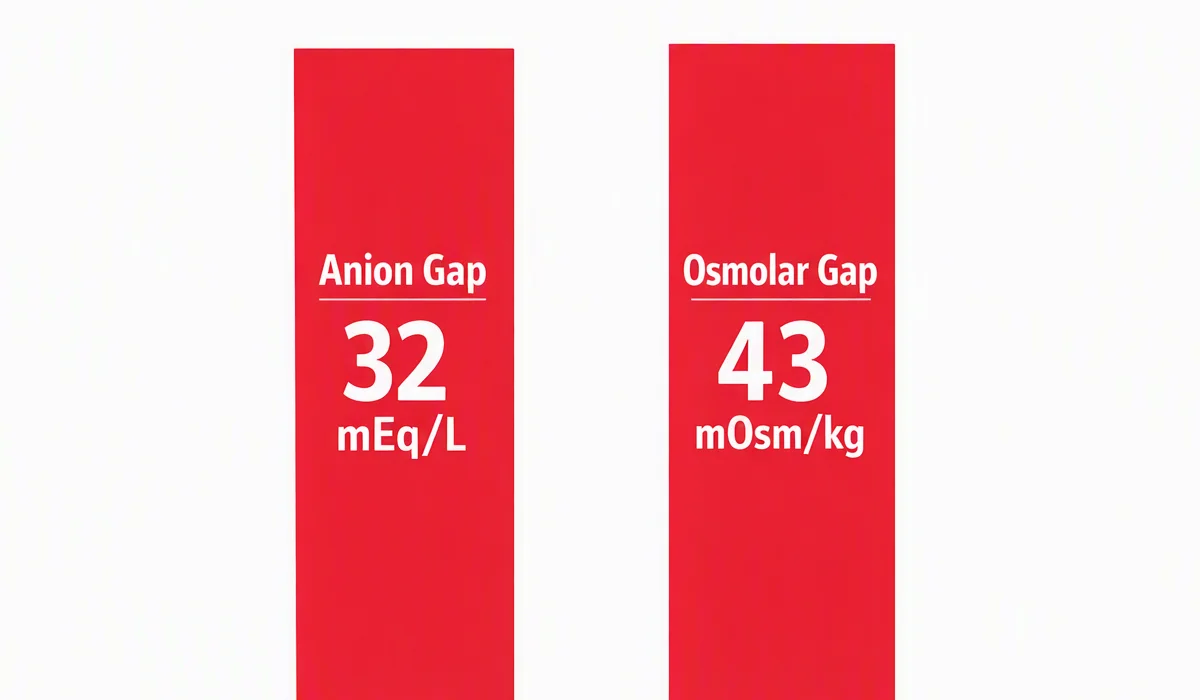
Correcting the result enhances anion gap interpretation and supports more accurate clinical significance. It helps distinguish true normal anion gap states from masked high-gap states in the setting of low albumin. This is especially important during critically ill patient assessment, where changes in albumin are common.
Adjusted Anion Gap Formula and Computing Steps
The adjusted anion gap modifies the measured gap for the patient’s serum albumin level. The exact albumin correction factor may vary by reference, but a typical approach is to add 2.5 mEq/L to the measured anion gap for every 1 g/dL albumin below 4.0 g/dL.
One common formula is:
Corrected anion gap = Measured anion gap + 2.5 × (4.0 - serum albumin in g/dL)
Sample 1:
- Na = 140
- Cl = 104
- Bicarbonate = 20
- Serum albumin = 2.0 g/dL
First calculate the anion gap:
140 - (104 + 20) = 16
Next apply the albumin correction:
2.5 × (4.0 - 2.0) = 5
Corrected anion gap = 16 + 5 = 21
This adjusted value suggests a higher burden of unmeasured anions than the unadjusted result might imply.
Illustration 2:
- Na = 138
- Chloride = 109
- Bicarbonate = 24
- Albumin = 1.8 g/dL
138 - (109 + 24) = 5
2.5 × (4.0 - 1.8) = 5.5
Corrected anion gap = 10.5
While the uncorrected value is low-normal, the albumin-adjusted result falls within or near a typical reference range depending on the lab. This is why albumin correction matters so much in routine laboratory analysis.
To compute the anion gap correctly, follow these steps:
- Gather sodium, chloride, and bicarbonate from the electrolyte panel.
- Calculate the measured anion gap using the anion gap equation.
- Assess the serum albumin level.
- Enter the albumin correction factor if albumin is low.
- Contrast the corrected result with the lab’s reference range.
Remember that some institutions use slightly different formulas or cutoffs, so the final interpretation should always account for the local reference range and method used by the medical calculator or laboratory system.
How to Use an Anion Gap Calculator
An Anion Gap Calculator is a medical calculator that helps clinicians swiftly calculate anion gap and provide albumin-adjusted interpretation. It is particularly useful when evaluating a blood chemistry panel during a metabolic acid workup, because it reduces arithmetic errors and speeds up decision-making.
To work with a calculation tool correctly, provide the relevant lab values exactly as reported:
- Sodium
- Chloride
- Bicarbonate
- Albumin
Some tools may request the serum bicarbonate directly, while others use total CO2 as a proxy depending on the lab format. Always make sure the values come from the same electrolyte panel and represent the same sample to avoid inconsistency in the lab result.
When operating an Anion Gap Calculator, the output usually shows:
- Measured anion gap
- Albumin-adjusted or corrected anion gap
- Reference range comparison
This helps clinical interpretation, especially when hypoalbuminemia is present. A calculator can also make it easier to compare repeated results over time and follow trends in acid-base disorder management.
https://anion-gap-chart014.theglensecret.com/how-the-anion-gap-is-used-in-blood-gas-analysisThat said, the calculation tool does not take the place of judgment. The calculator provides a number, but the clinician must decide whether the result fits the patient’s overall picture, including symptoms, medications, and other laboratory findings.
How to Understand a High or Typical Corrected Anion Gap
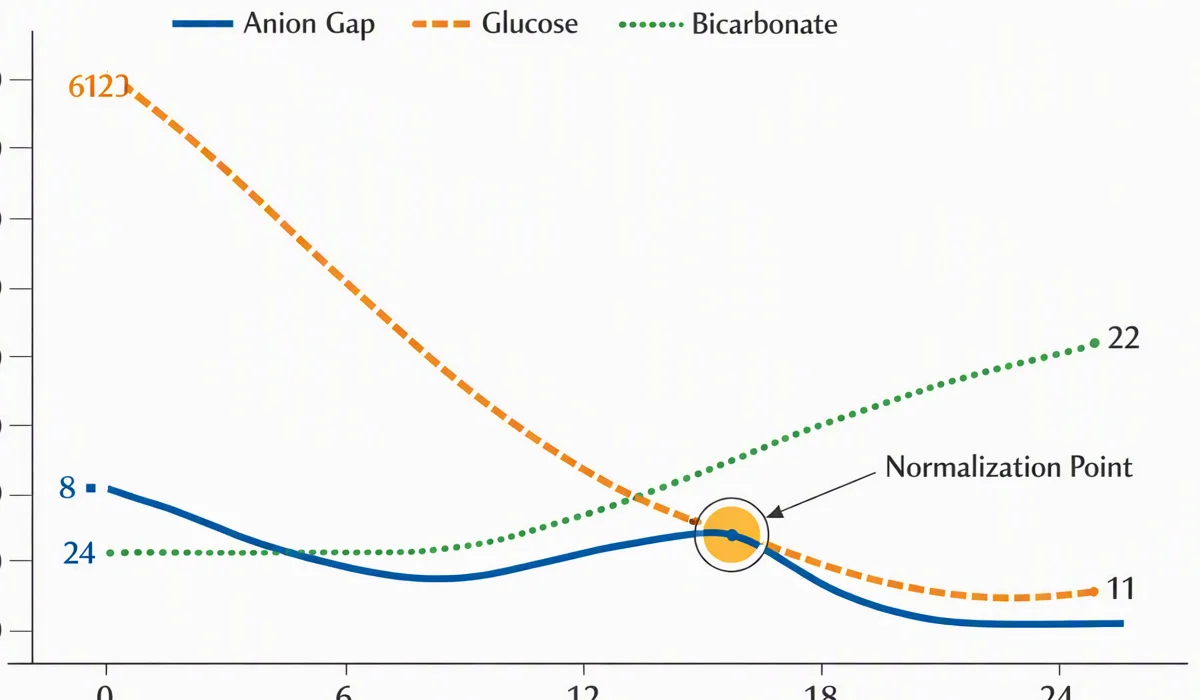
A elevated anion gap metabolic acidosis suggests that unnoticed acids are building up in the blood. If the corrected value is high, the next step is to identify the origin of the acid load. Common causes include lactic acidosis, ketoacidosis, renal dysfunction, and toxin exposure.
If the corrected anion gap is within range, the patient may have a normal anion gap pattern, often associated with bicarbonate loss or chloride gain rather than excess unmeasured acids. This is frequently seen in some forms of diarrhea, renal tubular disorders, or saline-related acid-base changes. Even then, the overall clinical context remains essential.
Here is a practical way to think about the result:
- High corrected gap: think about high anion gap metabolic acidosis and search for unmeasured anions.
- Normal corrected gap: consider normal-gap processes and check chloride and bicarbonate shifts.
- Borderline result: recheck albumin, repeat testing if needed, and look for mixed disorders.
In clinical practice, lactic acidosis may occur with shock, hypoperfusion, or severe illness, while ketoacidosis is often linked to diabetes, starvation, or alcohol use. Both can raise acid production and raise the corrected gap. These patterns are a major part of anion gap interpretation because they inform urgent evaluation and treatment.
Common Causes of an Elevated Corrected Anion Gap
An altered corrected anion gap can suggest several important disorders. The differential diagnosis depends on whether the corrected value is increased, unchanged, or unexpectedly low. In the context of a metabolic acidosis assessment, the most important causes include renal failure, uremia, toxic alcohols, and salicylates.
Renal failure can raise the gap because the kidneys cannot excrete acids normally, allowing metabolic acids to build up. As kidney function declines, retained acids contribute to uremic patterns and a higher gap.
Uremia is a well-known cause of high-gap acidosis due to retained organic acids and other unmeasured anions. In advanced kidney disease, this may be a major driver of abnormal blood chemistry values.
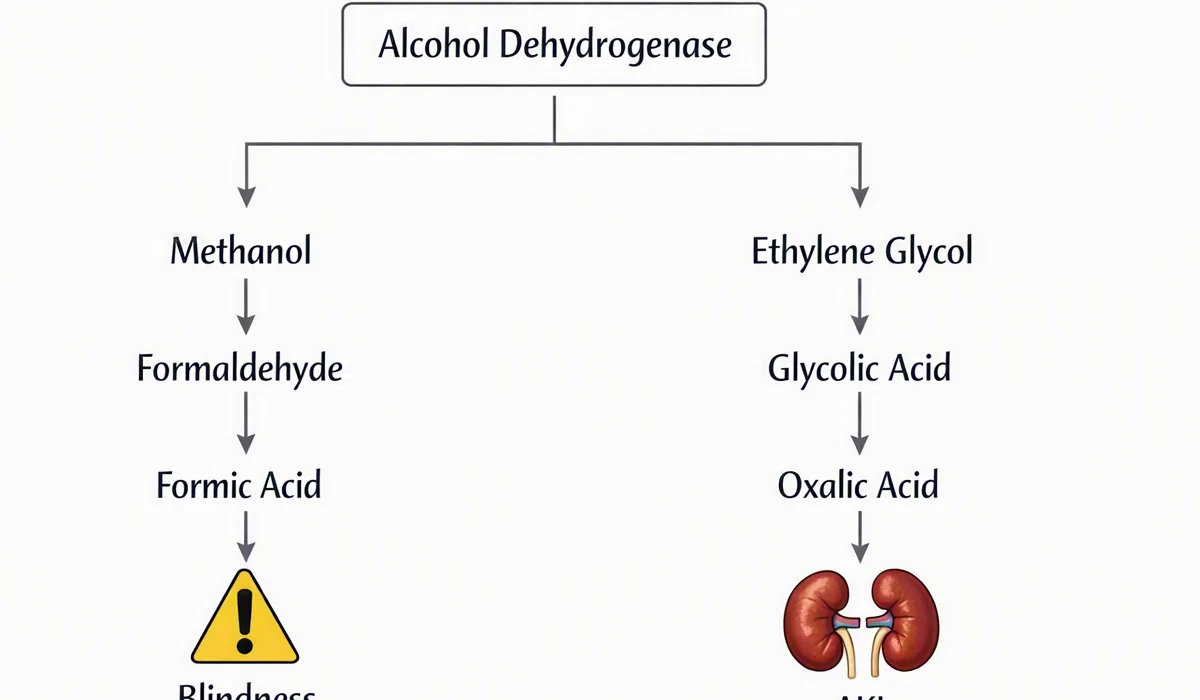
Toxic alcohols such as methanol or ethylene glycol can lead to a dangerous high-gap state by creating acidic metabolites. When suspected, the clinical picture often includes neurologic changes, visual symptoms, or kidney injury, but the lab pattern may be the first clue.
Salicylates can produce mixed acid-base patterns and may elevate the anion gap through increased organic acids. The resulting picture can be complicated, so correlation with history and additional testing is necessary.
Other causes of elevated corrected values may include:
- Lactate buildup from poor perfusion or severe illness
- Ketoacidosis from diabetes, fasting, or alcohol-related states
- Toxin-induced metabolic acidosis
- Severe kidney dysfunction with retained acids
Understanding these trends improves diagnostic interpretation and supports appropriate next steps when the lab result is outside normal.
Restrictions, Challenges, and Clinical Notes
The calculated anion gap is useful, but it is not perfect. One major issue is lab error. Small errors in sodium, chloride, or bicarbonate can noticeably change the final result, especially when the gap is only mildly abnormal. Repeating values may be appropriate when the pattern does not align with the clinical picture.
Another key concept is the delta gap, which evaluates the rise in the anion gap with the fall in bicarbonate. This can help identify mixed acid-base disorders. For example, a high gap with a smaller-than-expected bicarbonate drop may suggest an additional metabolic alkalosis, while the reverse can suggest a simultaneous non-gap process.
Mixed acid-base disorders are frequent in sick patients, and the corrected anion gap should be used as part of a more comprehensive clinical interpretation rather than as a isolated answer. The result should be considered alongside pH, pCO2, lactate, ketones, kidney function, and medication history.
Additional pitfalls include:
- Working from outdated or mismatched lab values from different collection times
- Ignoring albumin when it is clearly low
- Using the wrong correction factor for the lab method
- Overlooking a normal anion gap process masked by other abnormalities
Good clinical interpretation requires clinical context. The corrected anion gap is a guide, not a diagnosis. It should support the broader assessment of the patient, especially when symptoms, blood gas data, and biochemical markers point in different directions.
Frequently Asked Questions: Adjusted Anion Gap Questions
How do you calculate corrected anion gap?
First determine the anion gap using sodium minus the sum of chloride and bicarbonate. After that correct it for albumin using an albumin correction factor, commonly 2.5 mEq/L for each 1 g/dL that albumin is below 4.0 g/dL. This results in an albumin-adjusted result that is more accurate in patients with low albumin.
What is the value of the albumin correction factor for anion gap?
A widely used albumin correction factor is 2.5 mEq/L per 1 g/dL decrease in albumin below 4.0 g/dL. Some labs or references may use slightly different values, so the exact method should match the reference range and the calculation tool being used.
Why does low albumin lower the anion gap?
Albumin is a major unmeasured anion in blood. With low albumin, fewer negative charges are present, so the measured anion gap decreases. This can cause a high-gap disorder appear less obvious unless the result is corrected for albumin.
What may a high corrected anion gap mean?
A high corrected anion gap usually means there are excess unmeasured acids in the blood. Common causes include high anion gap metabolic acidosis from lactic acidosis, ketoacidosis, renal failure, uremia, toxic alcohols, or salicylates. That is a clue that further diagnostic interpretation is needed.
When is it appropriate for an anion gap calculator be used?
An Anion Gap Calculator should be used whenever you need to calculate anion gap quickly and accurately, especially if albumin is low or the acid-base disorder is not straightforward. It is especially helpful during metabolic acidosis workup, routine electrolyte panel review, and any situation where corrected interpretation may change the clinical significance of the lab result.